

From Guzheng to Synths: How Artists Are Merging Traditional and Digital Instruments in Modern Music
 2025
2025From Guzheng to Synths: How Artists Are Merging Traditional and Digital Instruments in Modern Music
The guzheng, a traditional Chinese zither, has been heard in temples, palaces, and landscapes for centuries. It is known for its exquisite tone and expressive capabilities. This makes it a key part of traditional Chinese culture.

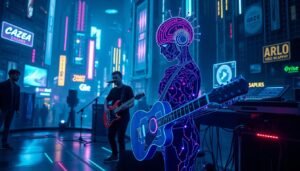
Now, artists like Fei Neon are changing how we see the guzheng. They mix it with modern synthesizers and electronic sounds. This creates a new sound that honors tradition while moving music forward.
This cultural music fusion does more than just mix old and new. It builds a bridge between past and present, making it a key part of modern music.
Key Takeaways
- The guzheng is being reimagined with modern digital instruments.
- Artists like Fei Neon are leading the cultural music fusion.
- This fusion creates a unique sound that blends heritage and innovation.
- The guzheng’s expressive capabilities are enhanced by digital elements.
- Modern music is being reshaped by the integration of traditional and digital instruments.
The Rich Heritage of Traditional Instruments
The guzheng has been a key part of Chinese culture for over 2,000 years. Its unique sound and playing techniques have shaped Chinese identity. It has influenced many music genres and styles.
The Guzheng: A Centuries-Old Chinese Treasure
The guzheng is a highly respected instrument in traditional Chinese music. It is known for its rich tones and complex playing. It has been featured in many classical Chinese pieces and is also used in modern music.
The guzheng’s unique sound can express a wide range of emotions. It can play delicate melodies and powerful chords.

Cultural Significance and Traditional Applications
The guzheng is deeply rooted in Chinese culture. It symbolizes elegance, refinement, and cultural continuity. It has been used in royal courts, festivals, and traditional operas.
Its role in these settings highlights its importance in Chinese culture.
| Cultural Context | Role of Guzheng | Significance |
|---|---|---|
| Royal Courts | Featured in ceremonial music | Symbolized imperial power and elegance |
| Traditional Operas | Accompanied performances | Enhanced emotional expression |
| Festivals | Played during celebrations | Added to festive atmosphere |
Today, many modern artists use the guzheng in their music. This connects the past with the present.
The Digital Revolution in Music Production
Digital technology has changed music production a lot. It lets artists mix old instruments with new electronic sounds. This mix creates unique music that combines tradition and innovation.
Evolution of Electronic Instruments and Synthesizers
Electronic instruments and synthesizers have shaped today’s music. They’ve gone from simple analogs to advanced digital tools. This change has let artists explore many sounds and textures.
The history of digital instruments is full of new ideas. It started with the first Moog synthesizer and now includes AI tools.

AI-Driven Sound Design and Production
AI has made music production even more exciting. It lets artists create complex sounds and textures. AI algorithms help musicians make new sounds and automate tasks.
This technology makes high-quality sound design easier. It lets artists focus more on creativity in music production.
| Technology | Impact on Music Production | Artist Benefits |
|---|---|---|
| Electronic Instruments | Expanded sonic possibilities | Experiment with new sounds |
| AI-Driven Sound Design | Automated production tasks | Focus on creative aspects |
| Synthesizers | Novel textures and sounds | Blend traditional and digital elements |
Merging Traditional and Digital Instruments: A New Sonic Frontier
The mix of traditional and digital instruments is opening up new ways to express music. This blend lets artists create unique sounds that combine the best of both.
Bridging East and West Through Sound
This fusion is more than just tech; it’s a cultural exchange. Artists are using it to bridge the gap between Eastern and Western musical traditions. This is starting a new era of global music.
- Incorporating traditional Chinese instruments like the guzheng with digital elements
- Experimenting with new sounds and techniques
- Pushing the boundaries of cultural sound design
Technical Challenges and Creative Solutions
Merging traditional and digital instruments is both creative and technical. Artists face challenges but find ways to solve them. For example, they use digital signal processing to improve traditional instrument sounds. Or they develop new playing techniques for electronic elements.
The Unique Textures of Hybrid Instrumentation
This mix creates unique textures and sounds. Hybrid instruments let artists explore new sonic landscapes. From the ethereal sounds of digital zither music to the dynamic beats of traditional music evolution.
By using both traditional and digital, musicians preserve heritage and innovate. This blend is creating a rich and diverse musical world. It offers exciting possibilities for both artists and listeners.
Pioneers of Cultural-Digital Fusion
A new era in music is here, where artists mix traditional instruments with digital tech. This change is not just about new sounds but also how music is made and played. Artists like Fei Neon are leading this cultural-digital fusion.
Fei Neon: Blending Guzheng with Electronic Landscapes
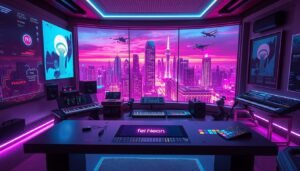
Fei Neon is a standout artist blending the traditional Chinese guzheng with electronic music. This mix creates a unique sound that attracts listeners worldwide.
Performance Techniques and Technology
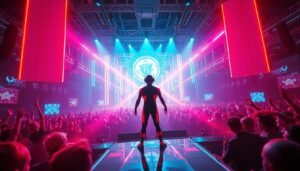
Fei Neon’s shows showcase the power of tech in music. By adding electronic effects to guzheng, Fei Neon offers an immersive experience. This shows how traditional instruments can fit into modern music.
Effects pedals and digital software let Fei Neon change the guzheng’s sound live. This creates dynamic, futuristic sounds.
Cultural Identity in a Digital Age
Fei Neon’s work is about more than new sounds. It’s about keeping cultural heritage alive. By mixing traditional Chinese music with electronic sounds, Fei Neon connects with a global audience while staying true to cultural roots.
This blend of old and new ensures cultural music is kept alive for the future.
Canadian Artists at the Forefront of Fusion
Canada’s music scene is thriving, embracing the mix of traditional and digital instruments. Artists from many cultures are adding to this movement. Their work creates a diverse sound that shows Canada’s rich cultural mix.
| Artist | Traditional Instrument | Digital Element |
|---|---|---|
| Fei Neon | Guzheng | Electronic Landscapes |
| Other Canadian Artist | Fiddle | Synthesizers |
| Global Artist | Sitar | Digital Effects |
Global Innovators in the Hybrid Music Movement
The hybrid music movement is worldwide, with artists from everywhere sharing their views and talents. From Japanese instruments with electronic beats to African rhythms with digital sounds, the variety is endless and thrilling.
This global fusion music scene shows music’s power to unite cultures and build understanding.
Conclusion: Preserving Heritage While Embracing the Future
The mix of old and new in music is changing how we hear songs. Artists use ai and digital tools to keep traditions alive while exploring new sounds. This way, they honor their roots while making music that’s fresh and exciting.
Using both old and new instruments in music is both a chance and a challenge. It lets artists express themselves in new ways but also keeps cultural heritage safe. As music evolves, we’ll see more of guzheng pop, traditional edm, and cultural evolution music.
Artists who mix old and new instruments are sharing traditional sounds with more people. This exchange can make the music world richer and more diverse. It helps us appreciate the wide range of musical traditions from around the globe.
By mixing old and new in music, we keep cultural heritage alive in a fast-changing world. This approach promises a future filled with diverse and vibrant sounds.
FAQ
What is the guzheng, and how is it used in traditional Chinese music?
The guzheng is a traditional Chinese zither with a rich history. It’s used in various genres and styles of Chinese music. It has been a cornerstone of Chinese cultural identity, influencing the development of different musical traditions.
How are traditional instruments like the guzheng being merged with digital elements?
Artists are blending traditional sounds with modern digital elements. This is made possible by advancements in AI-driven sound design and production techniques.
What is the significance of Fei Neon’s work in the context of cultural-digital fusion?
Fei Neon is a pioneer in blending traditional Chinese instruments like the guzheng with electronic landscapes. They create a unique sound that honors their cultural heritage while pushing the boundaries of modern music.
What are some of the technical challenges involved in merging traditional and digital instruments?
Artists face challenges like balancing the acoustic qualities of traditional instruments with the versatility of digital elements. They also need to find innovative ways to integrate these different sounds into a cohesive musical piece.
How is the fusion of traditional and digital instruments contributing to the evolution of music?
This fusion is creating new sonic frontiers. It allows artists to explore fresh textures and sounds that blend the best of traditional and modern music. It also helps preserve cultural heritage while embracing the future of music.
What role does AI play in the production of hybrid music?
AI-driven sound design and production techniques are key in modern music production. They enable artists to merge traditional instruments with digital elements and create innovative sounds that were previously unimaginable.
Can you give examples of other global innovators in the hybrid music movement?
There are many artists around the world experimenting with the fusion of traditional and digital instruments. They create a diverse and vibrant hybrid music scene that reflects the cultural richness of different musical traditions.
How is the guzheng being reimagined in modern music?
The guzheng is being reimagined through its fusion with electronic elements. This creates new and innovative sounds that blend traditional Chinese music with modern styles and genres.
What is the future of music with the fusion of traditional and digital instruments?
The fusion of traditional and digital instruments has the power to shape the future of music. It ensures that cultural traditions continue to thrive in a rapidly changing world. It also inspires new generations of musicians and music lovers.







Comment